
10kW Solar System Sydney: Price, Battery Options and Expert Installation
A 10kW solar system suits larger Sydney homes with high daytime use, ducted air conditioning, a pool or an EV. Around 23 Tier‑1 panels can produce an estimated 40 kWh a day on average, and the system has enough surplus to charge a home battery now or later.


*Estimated annual daily average for a north‑facing, unshaded Sydney roof. See generation estimates below.
Why 10kW?
Why Choose a 10kW Solar System?
Quick answer
A 10kW solar system is a rooftop array of about 23 panels (≈440W each), usually paired with an 8kW or 10kW inverter. In Sydney it generates an estimated 40 kWh per day on average across the year. It suits households using roughly 30–45 kWh a day, especially larger families, home offices and homes planning a battery or an EV.
Cover bigger power bills
Enough daytime generation to run air conditioning, a pool pump, laundry and a home office without leaning on the grid.
Lower cost per kW
Installation, scaffolding and paperwork costs are shared across more panels, so a 10kW system usually costs less per kW than a smaller one.
Built for a battery
About 40 kWh a day leaves real surplus to charge a 10–20 kWh battery on most days, so evening power comes from your own roof.
Ready for an EV
Daytime EV charging uses solar you would otherwise export for a few cents, cutting fuel and power costs together.
Room for future needs
Families grow and homes go electric. A 10kW system gives headroom for heat pumps, induction cooking and extra appliances.
Package
10kW
What’s included
10kW Solar Package Details
Every package is designed around your roof, your switchboard and how your household uses power. These are the components and services included with a Solar Radiation 10kW system.
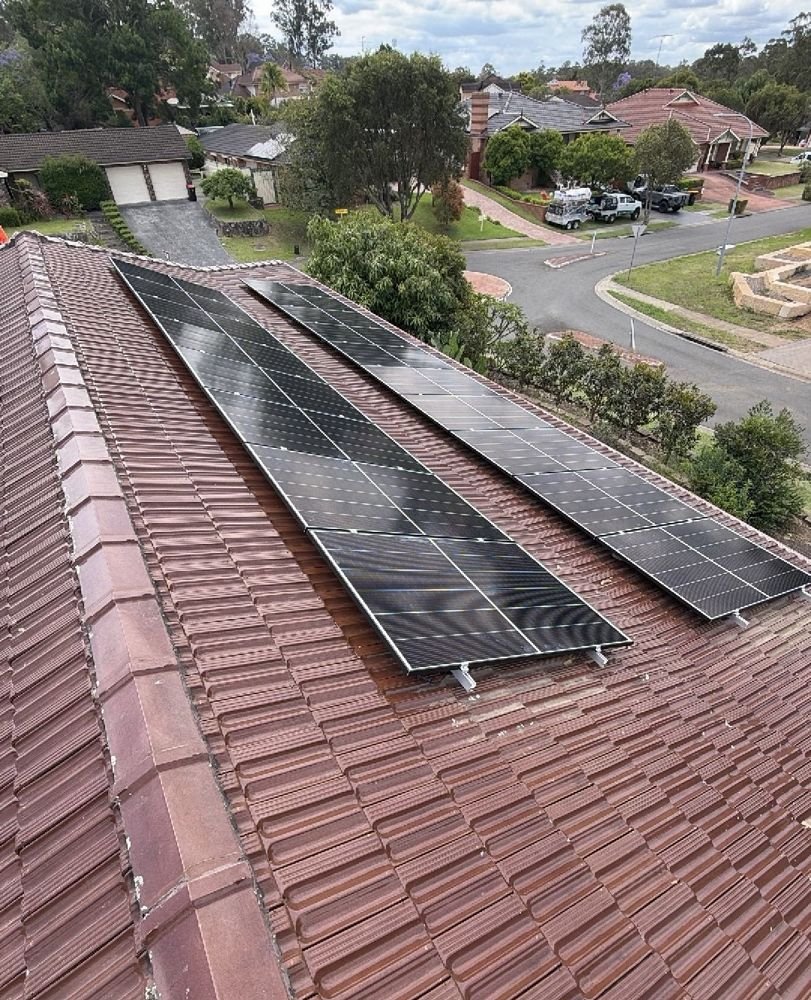
≈10kW solar array · typically ~23 × 440W panels (exact count depends on panel wattage)
8kW or 10kW string or hybrid inverter from Fronius, Growatt, GoodWe, Sungrow or Solis, in single‑phase or three‑phase
Custom system design, standard roof mounting, CEC accredited installation, STC discount applied upfront, network approvals and all paperwork
Panel and inverter manufacturer warranties; terms vary by brand and are listed on your quote
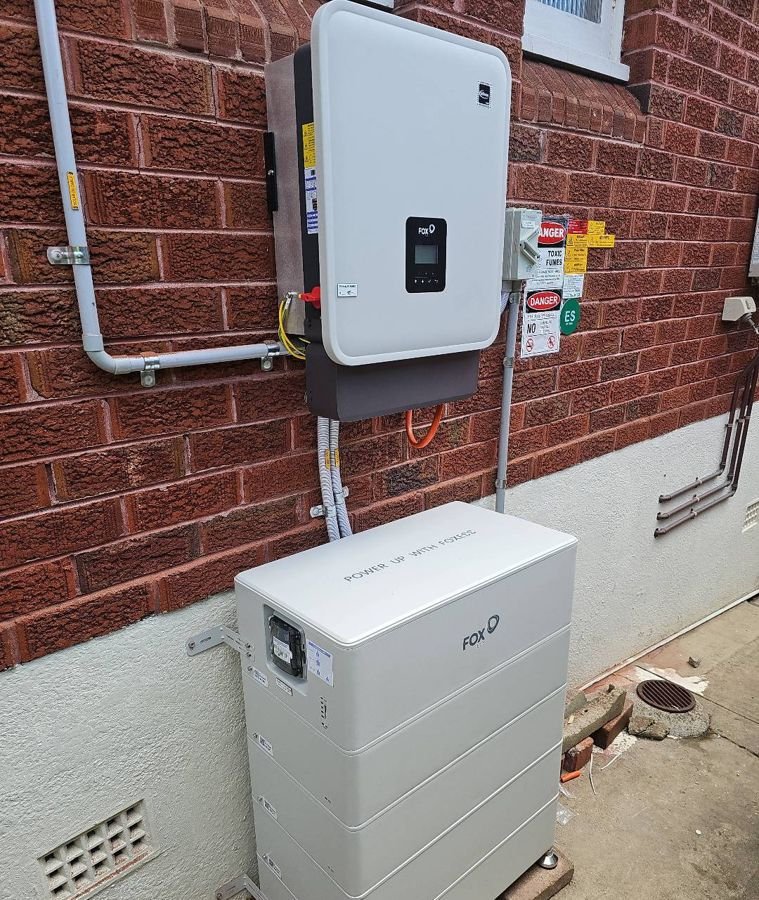
Home battery storage, EV charger, solar panel bird mesh, hybrid inverter for a battery‑ready setup
Explained
What Size Inverter Suits a 10kW Solar System in Sydney?
Most 10kW systems in Sydney use an 8kW or 10kW inverter. The right choice depends on whether your home has single‑phase or three‑phase power and on your local network’s export rules, which is why we check your switchboard before quoting.
The 133% rule
Clean Energy Council guidelines allow panel capacity up to 133% of inverter capacity. A 10kW array therefore needs at least a 7.5kW inverter, so 8kW is the smallest common size.
Single‑phase homes
Most Sydney homes are single‑phase. An 8kW or 10kW single‑phase inverter can usually be approved, often with export limiting because networks commonly cap single‑phase export at around 5kW.
Three‑phase homes
A 10kW three‑phase inverter spreads output across all three phases and generally gets more export headroom. It is the cleanest option if your home already has three‑phase power.
Export limits are normal
Ausgrid, Endeavour Energy and Essential Energy set the limit for your address during the connection application. A capped export rarely matters much, because power you use at home is worth far more than power you export.
Products we install
Solar Panel & Inverter Brands
The best 10kW solar system in Sydney is the one with panels and an inverter that suit your roof and will be supported for decades. We install established Tier‑1 panel brands and proven inverters, and we’ll recommend the right pairing for your budget and battery plans.
Solar Panels





Solar output
How Much Electricity Can a 10kW Solar System Generate in Sydney?
A well‑designed 10kW solar system in Sydney generates an estimated 40 kWh per day on average, or roughly 14,000–14,500 kWh per year. Output peaks in summer and drops in winter, so plan around the yearly average rather than a single sunny day.
| Season | Avg per day | Per season |
|---|---|---|
| Summer (Dec–Feb) | 48–54 kWh | ≈ 4,350–4,850 kWh |
| Autumn (Mar–May) | 34–40 kWh | ≈ 3,150–3,650 kWh |
| Winter (Jun–Aug) | 43–48 kWh | ≈ 2,400–2,750 kWh |
| Spring (Sep–Nov) | 43–48 kWh | ≈ 3,950–4,400 kWh |
| Annual average | ≈ 40 kWh | ≈ 14,000–14,500 kWh/yr |
Estimates only. Assumes a north‑facing roof at 20–30° tilt, no shading, Tier‑1 panels, an 8–10kW inverter and typical system losses. Actual output varies by day and site, and your quote includes a site‑specific estimate.
What affects your solar output?
Roof orientation: North‑facing roofs produce the most. East and west roofs typically produce around 10–15% less, but spread generation across morning and afternoon, which can suit busy households.
Panel tilt: Sydney’s ideal tilt is roughly 25–35°. Most pitched roofs are close enough to perform well.
Shading: Trees, chimneys and neighbouring buildings can cut output sharply. We design the layout around shade, and use optimisers where they genuinely help.
Weather: Panels still generate on cloudy days, but at reduced output.
Export limits and clipping: On single‑phase homes, export caps and inverter sizing can trim a little midday output. This is normal and already allowed for in our estimates.
6.6kW vs 10kW vs 13.2kW solar systems
| System | Panels* | Typical inverter | Est. daily output | Roof space | Best for |
|---|---|---|---|---|---|
| 6.6kW system | ≈15 | 5kW | 24–27 kWh | 30–35 m² | Most Sydney homes |
| 10kW | ≈23 | 8–10kW | ≈40 kWh | 46–52 m² | Larger homes, pools, EVs |
| 13.2kW system | ≈30 | 10kW | 48–53 kWh | 60–66 m² | Very high use, three‑phase |
*Based on ~440W panels. Output estimates use the same Sydney assumptions as above.
Sizing guide
Is a 10kW Solar System Right for My Home?
A 10kW system suits Sydney households using about 30–45 kWh a day, which usually means bills above $700–$900 a quarter. Check the average daily usage on your power bill: if it sits well below 25 kWh, a smaller system may pay back faster.
| Household | Typical daily usage | Suggested size | Notes |
|---|---|---|---|
| 2–3 people | 15–25 kWh | 6.6kW | A 10kW system would export most of its output |
| 3–4 people + air‑con | 25–35 kWh | 6.6kW–10kW | 10kW makes sense with good daytime use or a battery plan |
| 4–6 people, pool or home office | 30–45 kWh | 10kW | The sweet spot for a 10kW system |
| Large home, EV or ducted air | 45+ kWh | 10kW–13.2kW | Three‑phase power helps for larger systems |
General guide only. Usage varies with appliances, heating and cooling and when you’re home. See 6.6kW solar systems or 13.2kW solar systems.
5 ways to get more from your 10kW system
Run big appliances in daylight
Use timers on the dishwasher, washing machine and dryer between about 10am and 3pm.
Pre‑cool or pre‑heat
Run reverse‑cycle air‑con in the afternoon while the sun is still out, so the house stays comfortable into the evening.
Heat water with solar
A heat pump or hot‑water diverter on a daytime timer soaks up surplus that would otherwise earn only a few cents.
Charge your EV at home
A 10kW system has enough midday surplus to add useful range on most sunny days.
Check your monitoring app
Your inverter app shows daily generation, so you can spot shading or faults early.
Pricing
10kW Solar System Price in Sydney
Most Sydney homeowners pay about $8,500 to $12,500 for a fully installed 10kW solar system in 2026, after the federal STC discount and including GST. The current Sydney average is around $8,810.1 Your exact price depends on the panel and inverter brands, your roof and your switchboard, so we provide a fixed, itemised quote after assessing your home.
Panel & inverter brand
Premium panels and inverters cost more upfront but can deliver better efficiency, warranties and local support.
Roof type & height
Tile, Colorbond, Klip‑Lok, steep pitches and two‑storey homes change mounting and safety requirements.
Switchboard condition
Older switchboards may need an upgrade to meet current safety standards before a larger system can connect.
Single or three‑phase
Three‑phase inverters cost a little more, and some single‑phase homes need export limiting set up.
Cheapest vs best value
The cheapest 10kW quote often uses lower‑tier components or skips design work. Compare panel and inverter models, warranties and who actually installs the system, not just the price.
Federal STC discount
Applied directly to your quote. It is worth about $2,400 to $2,750 for a 10kW system in Sydney in 2026 and reduces each year.
Federal incentive
Small‑scale Technology Certificates (STCs)
The federal Small‑scale Renewable Energy Scheme gives eligible systems STCs, calculated as system size × zone rating × deeming period. Sydney is Zone 3 (1.382). We claim the STCs for you and apply the discount to your quote.
Installed in 2026
≈ 69 STCs
5‑year deeming
Installed from 1 Jan 2027
≈ 55 STCs
4‑year deeming
Your installation date, not your contract date, sets the deeming period. STC values change with the market (roughly $35–$40 each). The scheme ends in 2030. Source: Clean Energy Regulator.
Adding a battery?
Battery incentives in NSW
Cheaper Home Batteries Program (federal): an upfront discount on eligible batteries installed with solar, currently about $250 per usable kWh for the first 14 kWh and less above that. It steps down from 1 January 2027.
NSW VPP incentive (PDRS): eligible households may receive an additional incentive for connecting their battery to an approved Virtual Power Plant.
Eligibility conditions apply. We confirm current amounts in your quote.
1 Typical range from the Solar Calculator and SolarQuotes 10kW guides (2026). Sydney average from the Solar Choice Residential Solar PV Price Index, 1 November 2026, incl. STC discount and GST. Indicative only, not a Solar Radiation quote.
Savings
10kW Solar System Savings & Payback Period
Your savings depend mostly on how much solar power you use yourself (“self‑consumption”). Every kWh you use at home saves the full retail price, while exported power earns only a small feed‑in tariff. With a 10kW system, that makes daytime habits and a battery plan more important than with a smaller system.
| Self‑consumption | Typical household | Est. saving / year |
|---|---|---|
| Low (≈30%) | Mostly out during the day | ≈ $3,400 – $3,700 |
| Medium (≈45%) | Home some of the day, pool or air‑con on timers | ≈ $2,700 – $3,000 |
| High (≈60%) | Home office, EV charging or a battery | ≈ $3,400 – $3,700 |
Estimates only. Based on ≈14,400 kWh a year of generation, a 38c/kWh usage rate and a 5c/kWh feed‑in tariff. Your retailer’s rates will change the result.
How to work out your payback period
Payback (years) = system price after STCs ÷ yearly bill savings
For example, ≈$8,810 ÷ ≈$2,850 a year ≈ 3.1 years. Most 10kW systems in Sydney pay back in roughly 3–5 years, and savings continue for the rest of the panels’ life.
Slower payback: low bills, mostly evening usage, heavy shading or tight export limits
A battery raises savings but also the upfront cost, so its payback is longer than solar alone
Battery upgrade
10kW Solar System with a Battery
A 10kW system is one of the best sizes for a battery in Sydney. It produces enough surplus to charge a 10–20 kWh battery on most days while still running the house, so you can use your own solar at night instead of exporting it for a few cents.
10kW solar with battery price
Adding a 10–15 kWh battery typically costs about $7,000–$15,000 installed after the federal discount. A complete 10kW solar and battery package in Sydney often lands around $16,000–$27,000.
Typical battery size
Most 10kW homes pair with roughly 10–20 kWh of storage. We size it to your evening and overnight usage, not just your panels.
Add now or later
A hybrid inverter makes a future battery simpler and cheaper. Batteries can also be added to most existing systems with a separate battery inverter.
Incentives and timing
Eligible batteries currently receive about $250 per usable kWh off the first 14 kWh under the federal Cheaper Home Batteries Program. It steps down from 1 January 2027, and NSW offers an extra incentive for joining an approved Virtual Power Plant.
Why Solar Radiation
Why Choose Solar Radiation?
How it works
Our 10kW Solar Installation Process
Free Solar Consultation
Tell us about your home, power bills and plans for a battery or EV. We review your usage and roof, then explain your options.
Custom System Design
We design your 10kW layout, check single or three‑phase supply, choose the right panels and inverter, and handle network approvals and paperwork.
Professional Installation
CEC accredited installers fit your system safely and neatly, usually in one to two days, then test everything before handover.
System Activation & Ongoing Support
Your system is commissioned and monitoring is set up. Our local Sydney team is here for after‑sales support and warranty help.
10kW Solar Installation Across Sydney
From our Bankstown office, we install 10kW solar systems and solar battery packages for homes across Greater Sydney, from Parramatta and Penrith to the Northern Beaches, Eastern Suburbs and Sutherland Shire.
Social proof
Customer Reviews & Recent 10kW Installations
Lifespan & care
How Long Does a 10kW Solar System Last?
Quality solar panels are built to last 25 years or more, while inverters usually last 10–15 years. A 10kW system needs very little maintenance, but larger arrays are worth checking closely because small faults add up across more panels.
Simple maintenance tips
Rain cleans most panels. Hose off gently only if there’s heavy dust or bird droppings, and never climb on the roof.
Check your monitoring app monthly. A sudden drop on one string can point to shading or a fault.
Book a professional inspection every few years, or sooner if output drops.
| Component | Typical life | Notes |
|---|---|---|
| Solar panels | 25+ years | Tier‑1 panels typically carry 25–30 year performance warranties |
| Inverter | 10–15 years | The component most likely to need replacing during the system’s life |
| Mounting & racking | 25+ years | Corrosion‑resistant aluminium rail systems |
| Workmanship | 10 years | Solar Radiation 10‑Year Workmanship Warranty |
10kW Solar System FAQs
Straight answers about price, batteries, output, roof space and installation for 10kW solar in Sydney.
Still have a question?
Mon - Fri 9.00 - 5.00 PM
How much does a 10kW solar system cost in Sydney?
Most Sydney homeowners pay about $8,500 to $12,500 for an installed 10kW system in 2026, after the federal STC discount and including GST. The Sydney average is around $8,810. Your price depends on panel and inverter brands, roof type, switchboard condition and whether you have single or three-phase power.
What is the cheapest 10kW solar system I should consider?
Quotes well below the Sydney average usually rely on lower-tier panels, budget inverters or subcontracted installers. A good 10kW system should list Tier-1 panel and inverter models, manufacturer warranties, a workmanship warranty and a CEC accredited installer on the quote.
How much does a 10kW solar system with a battery cost?
A 10–15 kWh battery typically adds about $7,000 to $15,000 installed after the federal battery discount. A complete 10kW solar and battery package in Sydney often costs around $16,000 to $27,000, depending on battery brand and size.
How many solar panels are in a 10kW system?
Usually 22 to 24 panels. For example, 23 × 440W panels equals 10.12kW. With older 370W to 400W panels you would need 25 to 27.
How much electricity does a 10kW system produce per day in Sydney?
About 40 kWh per day on average for a north-facing, unshaded roof, or roughly 14,000 to 14,500 kWh a year. Expect around 48 to 54 kWh on summer days and 26 to 30 kWh in winter.
How much roof space do I need for a 10kW system?
Around 46 to 52 m² of usable roof for 23 modern panels. North, east and west-facing sections can all be used, and panels can be split across several roof faces.
Do I need three-phase power for a 10kW system?
No. Most single-phase Sydney homes can install a 10kW array with an 8kW or 10kW inverter, often with export limiting. Three-phase power gives more export headroom, so it is ideal if you already have it.
Can I export all the power a 10kW system makes?
Usually not all of it. Sydney networks commonly cap single-phase export at around 5kW, and your exact limit is set during the connection application. Using more power at home, or adding a battery, makes the most of the extra output.
Is a 10kW system too big for my home?
It can be if you use less than about 25 kWh a day and plan no battery or EV, because most of the output would be exported for a low feed-in rate. In that case a 6.6kW system may pay back faster.
How long is the payback on a 10kW solar system in Sydney?
Typically around 3 to 5 years. Divide the system price after STCs by your yearly bill savings, which depend mainly on how much solar you use yourself.
What rebates are available for a 10kW system in NSW?
Eligible systems receive federal STCs, worth about $2,400 to $2,750 for a 10kW system in Sydney in 2026 and less from 1 January 2027. Batteries may qualify for the federal Cheaper Home Batteries Program, and NSW offers an incentive for joining an approved Virtual Power Plant.
How long does a 10kW solar installation take?
One to two days on site for most Sydney homes. Network approval and scheduling usually mean two to four weeks from accepted quote to switch-on.
What warranties are included?
Panels and inverters carry manufacturer warranties that vary by brand and are listed on your quote. Solar Radiation also provides a 10-Year Workmanship Warranty on the installation.
Do you install 10kW systems across all of Sydney?
We install across Greater Sydney, including Canterbury-Bankstown, Parramatta, Western and South West Sydney, the Hills District, Penrith, the North Shore, Northern Beaches, Eastern Suburbs, Sutherland Shire and St George. Contact us to confirm your suburb.
Ready for a 10kW Solar System in Sydney?
Get a 10kW solar or solar and battery system designed around your home’s energy use, with a clear, itemised price and no obligation.
Also compare: 6.6kW solar system · 13.2kW solar system